Corporate flower subscriptions for Biggin Hill businesses
Posted on 07/10/2026
If you run a business in Biggin Hill, you already know that first impressions are not just a nice extra. They shape how clients feel when they walk through the door, how staff feel on a Monday morning, and how polished your space looks in those in-between moments when nobody is thinking about decor at all. That is where Corporate flower subscriptions for Biggin Hill businesses can quietly do a lot of heavy lifting. Fresh flowers make reception areas feel cared for, meeting rooms feel warmer, and workspaces feel less, well, a bit too office-y.
This guide breaks down what a corporate flower subscription actually is, how it works, who it suits, and how Biggin Hill businesses can get the most value from it. We will also cover practical buying tips, common mistakes, and the kind of small details that make the difference between "nice flowers" and a truly useful workplace arrangement. Let's face it, nobody wants a vase that looks tired by Thursday.
Contents
- Why Corporate flower subscriptions for Biggin Hill businesses Matters
- How Corporate flower subscriptions for Biggin Hill businesses Works
- Key Benefits and Practical Advantages
- Who This Is For and When It Makes Sense
- Step-by-Step Guidance
- Expert Tips for Better Results
- Common Mistakes to Avoid
- Tools, Resources and Recommendations
- Law, Compliance, Standards, or Best Practice
- Options, Methods, or Comparison Table
- Case Study or Real-World Example
- Practical Checklist
- Conclusion
- Frequently Asked Questions
Why Corporate flower subscriptions for Biggin Hill businesses Matters
Corporate flowers do more than decorate a room. In a business setting, they support atmosphere, brand presentation, and even the practical rhythm of the working week. A reception desk with a fresh arrangement feels different from one with nothing but paperwork and a half-empty pen pot. It feels intentional. That matters whether you are welcoming customers, interviewing candidates, or hosting a supplier meeting over coffee.
For Biggin Hill businesses, local relevance is part of the story too. The area has a real mix of trade businesses, professional services, clinics, independent retailers, and hospitality-style spaces. Some need something understated and elegant. Others need colour, energy, or a seasonal change that reflects their brand. A subscription gives you consistency without having to remember to order flowers every time the room starts looking sparse.
There is also a subtle wellbeing angle. No, flowers are not a miracle cure for a busy workplace. But they do soften a hard-edged environment. They add movement, scent, and natural colour. In a space that might otherwise feel like laptops, overhead lighting, and admin, that counts for a lot. You notice it especially on grey mornings, when the windows are dull and the kettle is on for the second time before 10am.
Expert summary: A flower subscription is most valuable when it is treated as part of the customer experience and workplace environment, not as an occasional luxury add-on.
How Corporate flower subscriptions for Biggin Hill businesses Works
At a basic level, a corporate flower subscription is a recurring flower service arranged for your business. Instead of placing one-off orders, you choose a delivery pattern that suits your office, shop, salon, showroom, reception, or event space. That might be weekly, fortnightly, or monthly depending on how much freshness you need and how visible the flowers are.
Usually the process goes something like this:
- You choose the style, size, and budget range that fits your space.
- You decide how often flowers should be refreshed.
- The florist curates arrangements, often with seasonal blooms and colours that suit your brand.
- Deliveries arrive on schedule, often with vase changes or care guidance where relevant.
- The account can be adjusted as your needs change, for example before a client event or during quieter periods.
That flexibility is one of the biggest advantages. A subscription is not meant to lock you into something rigid. Good service should adapt. Busy trading weeks, holiday periods, reception refurbishments, and seasonal footfall all change the picture. If your team is away more often in August, you may not need the same cadence as you do in October or the run-up to Christmas.
In practice, the best subscriptions are simple. You do not want extra admin. You want flowers that arrive looking fresh, last well, and suit the room without demanding a weekly design meeting. Too much faff, and the benefit disappears.
For businesses already looking at broader floral support, it can help to explore the wider corporate accounts option alongside regular subscriptions, especially if you also need event flowers, staff gifts, or occasional bespoke arrangements.
Key Benefits and Practical Advantages
There are plenty of reasons businesses choose flower subscriptions, but a few stand out again and again.
1. A better first impression
Visitors often decide how a place feels in seconds. Fresh flowers soften a clinical or overly formal environment and signal care. That is useful in client-facing businesses where trust and presentation matter. A neat arrangement in reception can do more work than people realise.
2. Less admin for busy teams
One-off ordering sounds easy until it is one more task on a long list. Subscriptions reduce repeated decision-making. You agree the basics once, then the service keeps moving. That alone can be a relief for office managers, practice managers, and reception teams who already have enough to juggle.
3. Seasonal variety without the guesswork
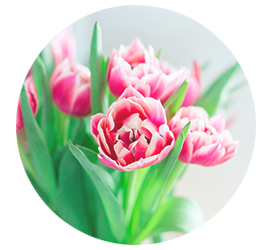
Seasonal flowers keep things feeling fresh. Spring tulips, summer mixed blooms, autumn textures, winter whites - these small changes stop the space from feeling stale. You do not need to know flower names to enjoy the result, either. That is the florist's job, thankfully.
4. Better alignment with brand identity
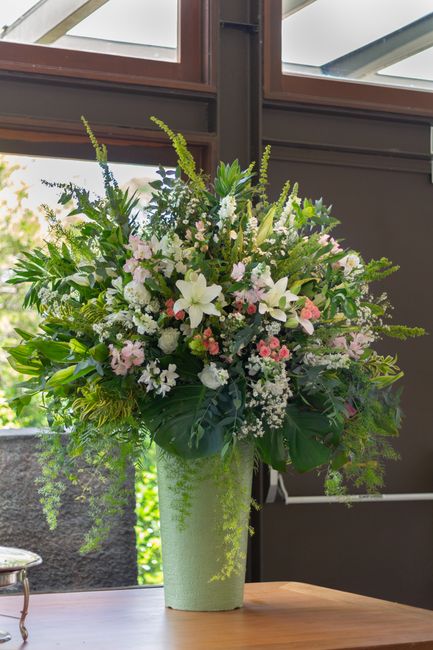
A good subscription can reinforce brand tone. Minimal white arrangements suit a calm professional office. Bright mixed colours can work beautifully in creative, hospitality, or retail settings. Even the vase style matters. A tall, crisp design says something different from a loose, soft bouquet.
5. More predictable spending
Subscriptions can make budgeting easier because you know what you are committing to. For many businesses, predictability is just as important as price. It is easier to plan around a regular arrangement than to keep guessing what each last-minute order might cost.
6. A nicer workplace for staff
People do notice. A fresh arrangement in a shared area can make the workday feel more considered. It is a small thing, but small things matter. Especially during the darker months, when the office can feel a bit flat and the afternoon tea break arrives early.
| Business need | Why a subscription helps | What to ask for |
|---|---|---|
| Reception presentation | Creates a strong welcome and consistent appearance | Statement vase arrangements, long-lasting blooms |
| Office wellbeing | Adds warmth and colour to everyday workspaces | Seasonal mixed flowers, low-maintenance options |
| Client meetings | Supports a professional, polished atmosphere | Neutral palettes, elegant designs |
| Retail or salon spaces | Improves ambience and encourages repeat visits | Fresh, colour-led displays with good longevity |
Who This Is For and When It Makes Sense
Not every business needs a flower subscription, and that is fair enough. The right setup depends on your space, footfall, and how visible the flowers will actually be.
This service tends to make the most sense for:
- reception-led businesses that want a polished welcome
- offices that host clients or interview candidates regularly
- salons, clinics, spas, and wellness spaces
- independent shops, showrooms, and customer-facing counters
- restaurants, cafes, and hospitality venues
- agents, solicitors, accountants, and other professional services
- businesses that want staff areas to feel less stark
It can also make sense if your business has occasional peaks. For example, if you host open days, product launches, or seasonal events, flowers may not be essential every single week, but they are very useful when it matters. A flexible arrangement gives you room to scale up and down instead of overcommitting.
Some businesses assume flowers are only for "fancy" offices. Not really. In our experience, the most effective displays are often the simplest ones. A compact, thoughtfully chosen arrangement in the right place can have more impact than a large display that feels out of step with the room.
If your business also sends flowers to clients, partners, or staff for special occasions, you may find it useful to look at corporate gifting as a natural extension of the same relationship-building approach.
Step-by-Step Guidance
Here is a straightforward way to set up a flower subscription without making it more complicated than it needs to be.
Step 1: Audit the space
Walk through the area where flowers will sit. Reception desk? Meeting table? Window ledge? The location affects size, colour, and vase choice. A large display on a tiny counter can look awkward fast.
Step 2: Decide the purpose
Ask what the flowers should do. Impress clients? Lift the mood for staff? Add colour to a waiting area? The purpose should shape the style. If you skip this part, you may end up with beautiful flowers that are simply wrong for the space.
Step 3: Set a realistic budget
It helps to think in terms of regular spend rather than one-off impulse buys. A good florist can work across a range of budgets, but clarity matters. If you want something elegant and understated, say so. If you want a fuller display that reads as a focal point, say that too.
Step 4: Choose frequency
Weekly works well for high-traffic or high-visibility areas. Fortnightly may be enough for a calmer office. Monthly can suit lower-traffic environments, though some flowers are better suited to more frequent refreshes. There is no single correct answer here.
Step 5: Agree style preferences
Share brand colours, seasonal preferences, and any dislikes. If lilies are too fragrant for a small enclosed room, that is worth mentioning. If you want pastel tones in spring and stronger colours in winter, that is useful too. The more practical the brief, the better the result.
Step 6: Build in delivery flexibility
Ask how changes are handled. Can the schedule be paused? Can delivery instructions be updated? What happens if your office is closed or access changes? These sound like small things until they go wrong, then suddenly they are not small at all.
Step 7: Review after the first few cycles
After two or three deliveries, assess what is working. Are the flowers lasting? Is the arrangement size right? Is the colour scheme right for the room? A subscription should improve over time, not stay stuck.
Expert Tips for Better Results
A good subscription is not just about sending flowers on repeat. A few small choices make a real difference.
- Match scale to sightline. If the arrangement is viewed from across a reception area, it can be more structured and visible. If it sits on a desk, it should be lower and less intrusive.
- Use seasonal flowers wisely. Seasonal stems often offer better value and better freshness. They also help the space feel current rather than stuck in one look all year.
- Think about scent. Strong fragrance can be lovely, but not every workplace wants it. In small meeting rooms or clinics, quieter scent profiles are often a safer choice.
- Keep maintenance low. Busy staff should not need a care manual. Ask for arrangements that are easy to look after, and make sure watering or vase care is clear.
- Use colour with intent. White and green can feel calm and professional. Bright mixed arrangements feel energetic. Soft pinks and purples can feel elegant or relaxed. Colour does more than decorate.
- Plan for seasonal peaks. December, Valentine's periods, spring launches, and event weeks can all justify a slight upgrade. It is worth planning ahead rather than scrambling later.
One small but useful trick: ask the florist to think about what the arrangement looks like from the doorway, not just from close up. That first glance is where the impression starts. That is the bit people remember, weirdly enough.
Common Mistakes to Avoid
Most problems with corporate flower subscriptions are avoidable. The main issue is usually not the flowers themselves, but the brief.
Choosing style before purpose
People sometimes pick a bouquet because it looks lovely online, then realise it is too large, too fragrant, or too informal for the setting. Start with the business need first. Then choose the style.
Ignoring room size and lighting
A flower arrangement sits differently in a bright lobby than in a shaded corridor. Natural light can make colours pop, while poor light can flatten them. Room conditions matter more than many buyers expect.
Underestimating maintenance
Even low-maintenance flowers need basic care. If nobody is assigned to top up water or move stems as needed, the display will age badly. Not because the flowers are poor, but because the process is incomplete.
Being too vague about preferences
If you say "something nice" and leave it there, the florist has to guess. That is rarely the best route. A better brief includes colour family, size, budget, scent tolerance, and where the flowers will be placed.
Forgetting access and delivery details
Simple things like opening hours, parking restrictions, or reception procedures can make deliveries awkward. Biggin Hill businesses are not all set up the same way, so it is worth getting those details sorted early.
Not reviewing the subscription
What worked in March may not be ideal in November. Reception traffic changes. Schedules shift. Brand messaging changes too. Review the arrangement every so often instead of setting and forgetting it.
Tools, Resources and Recommendations
You do not need specialist software to manage a flower subscription, but a few simple tools help make the process smoother.
- A shared calendar: useful for delivery dates, holiday closures, and event weeks.
- Basic room notes: a photo of the space can be very helpful for future refreshes.
- Brand guidelines: if you have them, share colour preferences and tone-of-voice ideas so the arrangement feels on-brand.
- Care guidance: keep a short note near the display area so staff know whether water, trimming, or repositioning is needed.
- Internal contact list: one person should handle changes or pausing the service, otherwise messages get lost in the usual office shuffle.
For practical product browsing, businesses often start with broad categories like all flowers or a florist-led selection such as florist choice. That approach is useful if you want the bouquet to be guided by the freshest seasonal stock rather than one exact stem list.
If your team likes a more premium finish, the luxury flowers range can be a good reference point for the kind of polished look that suits meeting spaces and reception areas. If budget is tighter, you can still create a tidy, professional result with a simpler approach. No drama needed.
Law, Compliance, Standards, or Best Practice
Flower subscriptions are not usually complex from a legal point of view, but there are still sensible business standards to keep in mind.
First, access and delivery arrangements should be clear. If a florist is delivering to a workplace, they need enough information to do so safely and without disruption. That means accurate opening times, reception instructions, and any site-specific access notes. It sounds obvious, but missed details are one of the main reasons deliveries get delayed or redirected.
Second, if flowers are used in customer-facing areas, businesses should think practically about allergies, fragrances, and obstruction risks. This is not about overcomplicating things. It is just good workplace judgment. If a room is small, heavily used, or shared with the public, a restrained arrangement may be the better choice.
Third, businesses should understand the florist's policies around payment, returns, substitutions, and delivery conditions. The terms should be clear enough that everyone knows what happens if a substitution is needed due to seasonal availability. Seasonal substitutions are normal in floristry, but they should still be communicated sensibly.
If sustainability matters to your business, ask how stems are sourced, how packaging is handled, and whether designs can be made with more environmentally considerate choices where possible. Many companies now want their suppliers to reflect broader values, and flowers are no exception.
You can also review supporting pages such as sustainability, delivery, and guarantees to understand the business framework around service quality and expectations.
Options, Methods, or Comparison Table
Not every business needs the same subscription style. Here is a simple comparison to help you decide what fits best.
| Option | Best for | Pros | Watch-outs |
|---|---|---|---|
| Weekly subscription | Busy receptions, client-facing spaces, hospitality | Always fresh, strong presentation, easy consistency | Higher ongoing cost than less frequent delivery |
| Fortnightly subscription | Offices and professional services | Balanced freshness and value | May need flowers with strong vase life |
| Monthly subscription | Lower-footfall areas or budget-conscious businesses | Lower commitment, simple planning | Not ideal for spaces where appearance changes quickly |
| Seasonal refresh plan | Businesses with peaks, events, or campaign periods | Flexible and responsive to calendar needs | Requires a bit more coordination |
A lot comes down to pace. If your space gets plenty of traffic, weekly can make sense. If not, fortnightly may be the sweet spot. Truth be told, many businesses overbuy at first, then realise a calmer cadence is enough.
Case Study or Real-World Example
Here is a realistic example based on the kind of request many local businesses make.
A small professional services office in Biggin Hill wanted its reception to feel more welcoming without making the space look overdone. The team had a tidy waiting area, but it felt a little plain. The brief was simple: something elegant, low-maintenance, and not too fragrant. The flowers needed to look good from the doorway and not block the sign-in desk.
After a few cycles, the office settled on a light seasonal arrangement with a neutral palette and a medium vase. The display worked because it was proportionate. It softened the room, fit the space, and did not get in the way of daily use. Staff liked it because it made the room feel finished. Visitors noticed it because it was visible before they even sat down.
The biggest lesson? The best result was not the fanciest bouquet. It was the one that matched the room properly. That is the bit people sometimes miss when they start shopping for corporate flowers. A beautiful arrangement that suits the space will always beat an impressive one that fights the furniture.
If a business already uses arrangements for customer gifts or seasonal thanking, a regular service can dovetail nicely with one-off options like thank you flowers or a versatile any occasion selection for staff milestones and client gestures.
Practical Checklist
Use this checklist before you start or renew a subscription.
- Have you identified the purpose of the flowers? Reception, staff wellbeing, client impression, or all three?
- Do you know the exact placement area? Desk, table, counter, entrance, or meeting room?
- Have you chosen a realistic delivery frequency? Weekly, fortnightly, monthly, or seasonal?
- Is the budget clear? Decide whether you want a simple, mid-range, or premium finish.
- Have you shared fragrance or allergy concerns? This is easy to miss and worth flagging early.
- Do you have access and delivery instructions ready? Opening hours, parking, reception notes, contact number.
- Have you reviewed colour preferences and brand tone? Subtle, bright, elegant, modern, seasonal.
- Is someone in the business responsible for updates? One contact keeps everything smooth.
- Have you asked about substitutions and flexibility? Seasonal changes happen, and that is normal.
- Will you review the subscription after a few deliveries? Small tweaks usually improve results.
If you can tick most of those off, you are in good shape. If not, do not worry. That is exactly the point of the planning stage.
Get a free quote today and see how much you can save.
Conclusion
Corporate flower subscriptions for Biggin Hill businesses are a practical way to improve presentation, support staff wellbeing, and create a more polished environment without adding constant admin. The real value comes from fit: the right flowers, in the right place, on the right schedule. Get that balance right and the whole space feels more considered, more welcoming, and just a bit easier to be in.
If you are weighing up whether a subscription is worth it, start with one simple question: what do you want people to feel when they walk in? Calm, confident, energised, cared for? Flowers will not answer that question for you, but they can help deliver the answer beautifully.
And sometimes that small detail is exactly what makes a business feel special.
Frequently Asked Questions
What are corporate flower subscriptions for Biggin Hill businesses?
They are recurring flower deliveries arranged for workplaces, receptions, shops, clinics, and other business settings in Biggin Hill. The subscription keeps the space fresh without needing a new manual order every time.
How often should a business receive flowers?
It depends on the space and how visible the arrangement is. Weekly is common for busy front-facing areas, while fortnightly or monthly may suit quieter offices or lower-maintenance displays.
Are flower subscriptions only for client-facing businesses?
No. They are useful anywhere people work, meet, or wait. Even back offices and staff areas can benefit from a more welcoming atmosphere, especially if the environment feels plain or formal.
Can the flowers match our brand colours?
Usually, yes. Most corporate setups can be tailored to suit brand tones, seasonal preferences, and the overall feel of the business. A good florist will ask about style rather than forcing a one-size-fits-all look.
What if our office closes during holidays?
A good subscription should be flexible enough to pause or reschedule. It is best to agree this in advance so deliveries do not turn up when the building is shut and everyone is away.
Do corporate flower subscriptions cost more than one-off orders?
Not necessarily, but the value lies in consistency and reduced admin as much as price. Subscriptions often help businesses plan their spend more reliably over time.
What types of flowers work best in offices?
Long-lasting, low-maintenance flowers are often the best choice. Seasonal mixed arrangements, roses, chrysanthemums, alstroemeria, and similar stems can work well depending on the look and longevity needed.
Can flowers be low-fragrance for allergy-sensitive workplaces?
Yes. That is a very normal request. If your space is small, shared, or sensitive to scent, ask for subtler arrangements and avoid strongly fragrant flowers where possible.
How do we know if the arrangement is the right size?
Think about where it will be seen from and what it sits beside. The bouquet should not block signage, clutter a desk, or dominate the room unless that is specifically the goal.
Can a subscription be used alongside event flowers or staff gifts?
Absolutely. Many businesses use regular subscriptions for everyday presentation and then add occasional one-off flowers for launches, thank-yous, or seasonal moments.
What should we ask before starting a subscription?
Ask about frequency, flexibility, seasonal substitutions, delivery instructions, care expectations, and what happens if you need to pause or change the service. Clear answers at the start save hassle later.
Is a flower subscription worth it for a small business?
Often, yes, especially if the entrance, reception, or client area is important to how the business is perceived. Even a modest arrangement can make a small space feel more finished and professional.
How do we keep flowers looking good for longer?
Choose the right vase size, keep them away from heat sources, top up water regularly, and remove any fading stems promptly. A little attention goes a long way, really.
Where should we start if we are not sure what style we want?
Start with the room itself. Take a look at the space, note the colours already there, and decide whether you want calm, bright, seasonal, or premium. If you are still unsure, a florist-choice option can be a sensible starting point.